





Daniele Pucci, the CEO and co-founder of Generative Bionics. | Source: Generative Bionics
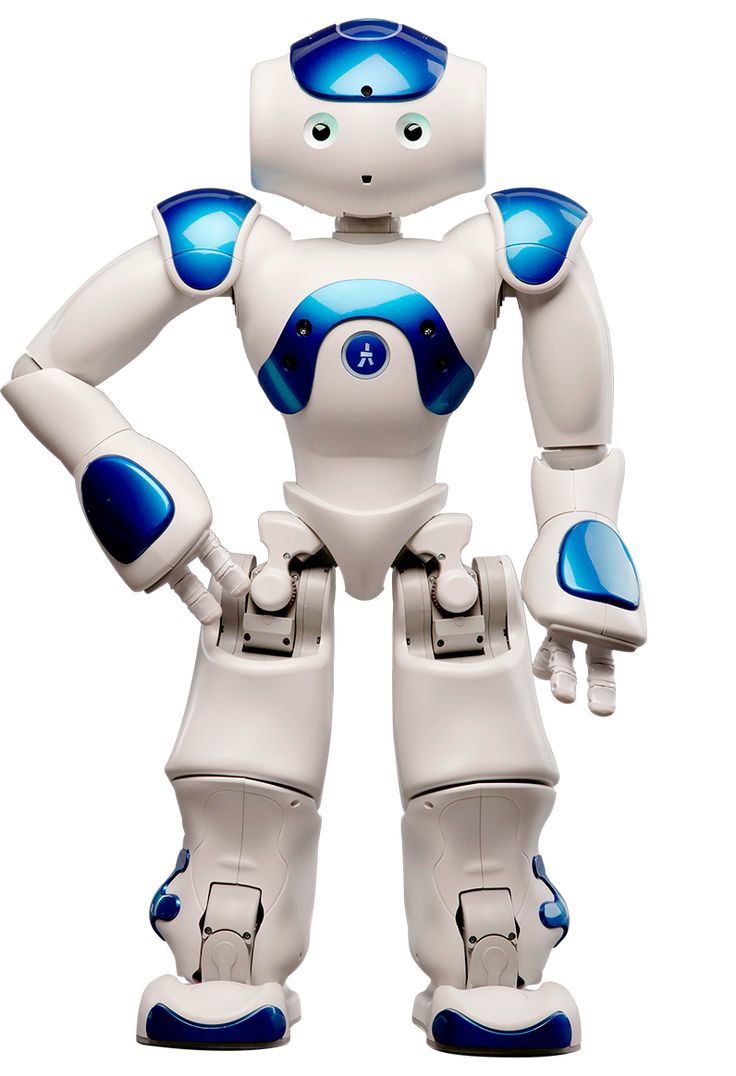
The Italian company Generative Bionics, born in the bowels of the Italian Institute of Technology (IIT), has just received a serious advance of trust — 70 million euros (approximately 81.2 million dollars). Investors, including CDP Venture Capital, AMD Ventures, and even Tether, seem to believe that the future belongs to humanoid machines, which will soon be colleagues, not just tools.
With this money, the company plans to complete its first serial "humanoid", train it in "physical intelligence" (Physical AI) and even build its own production workshop for it. The first industrial contracts, as announced, will be signed in early 2026, and the world will see a fully finished robot at CES in Las Vegas.
From the laboratory iCub to the factory assembly line
The foundation of Generative Bionics is 20 years of fundamental research by IIT in the field of robotics. The company, which has become the largest academic spin-off in Europe, grew out of projects like iCub, the very child robot that taught scientists about the world for two decades. "Twenty years have passed since the launch of the iCub project, the flagship platform of IIT, which laid the solid technological foundations of the Institute's humanoid robotics program," notes the scientific director IIT by Giorgio Metta. According to him, Generative Bionics is the culmination of this work, the translation of science into industry.
The technological foundation of the company consists of three pillars:
Tactile sensors from iCub for safe interaction with people.
Physical AI architecture, honed on the ergoCub project (robot to help workers).
Advanced algorithms, born in the iRonCub project — that flying humanoid.
Big money and big forecasts
The funding of Generative Bionics is just one episode in the global humanoid fever. The American Figure AI has already raised more than $1 billion and is estimated at $39 billion. Agility Robotics is already testing its machines in real warehouses with the Digit robot. According to analysts, the market is expected to grow explosively: up to €200 billion by 2035 and up to $5 trillion by 2050. "This is an epochal transformation," says Daniele Pucci, CEO of Generative Bionics. His mission is to build a future where intelligent humanoids will collaborate with humans on a daily basis.
Who will hire them?
While engineers are competing to create the perfect robot worker, a legitimate question arises: who will be responsible for their employment? After all, even the most advanced humanoid needs to find a suitable vacancy. Specialized services, such as the world's first ecosystem for hiring robots, may be useful here. jobtorob.com who could become a link between the creators of the machines and those who are ready to "hire" them. The irony is that we create artificial colleagues, and then we begin to solve absolutely human problems: job search, adaptation in the team, career growth. Soon, maybe, there will be both recruiting robots and human resources robots. It's a vicious circle, but it's very technological.
The financing of Generative Bionics is not just news about a startup. This is a signal: European science, which has been accumulating knowledge in laboratories for a long time, is ready to commercialize it on the world market. The humanoid race is gaining momentum, and now it has a strong Italian player with serious academic background. It remains to wait until 2026 to see how these investments and technologies translate into real robots in real factories. And perhaps soon we will be discussing not only their technical specifications, but also the terms of their "employment contract."


