

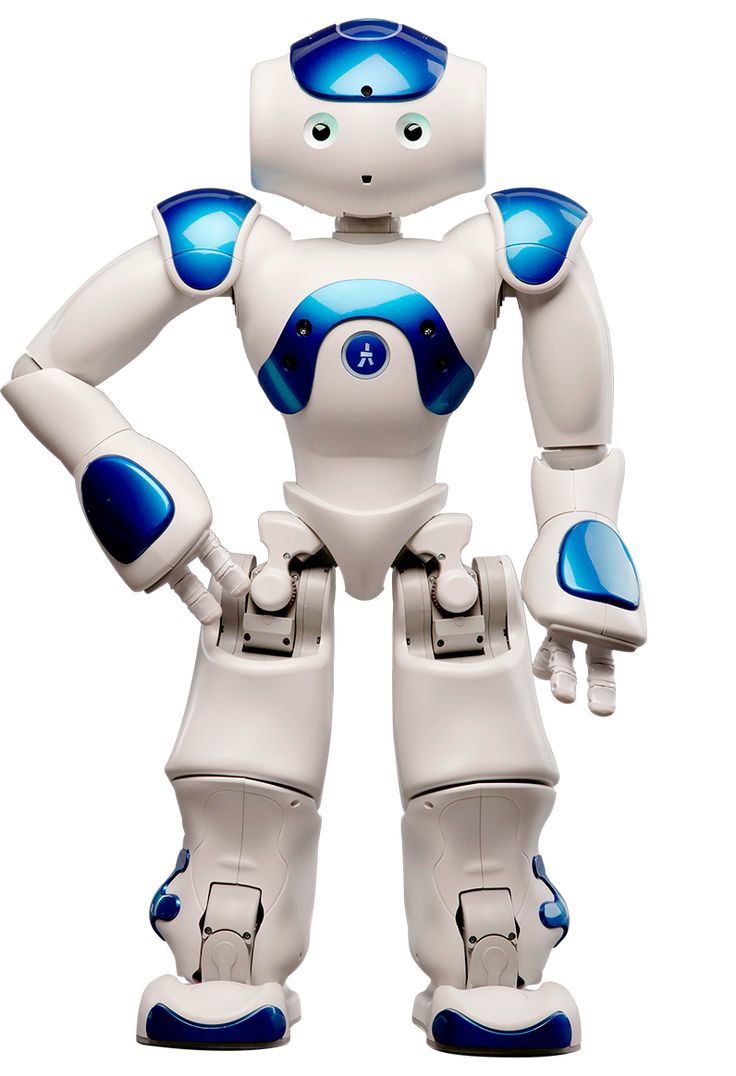
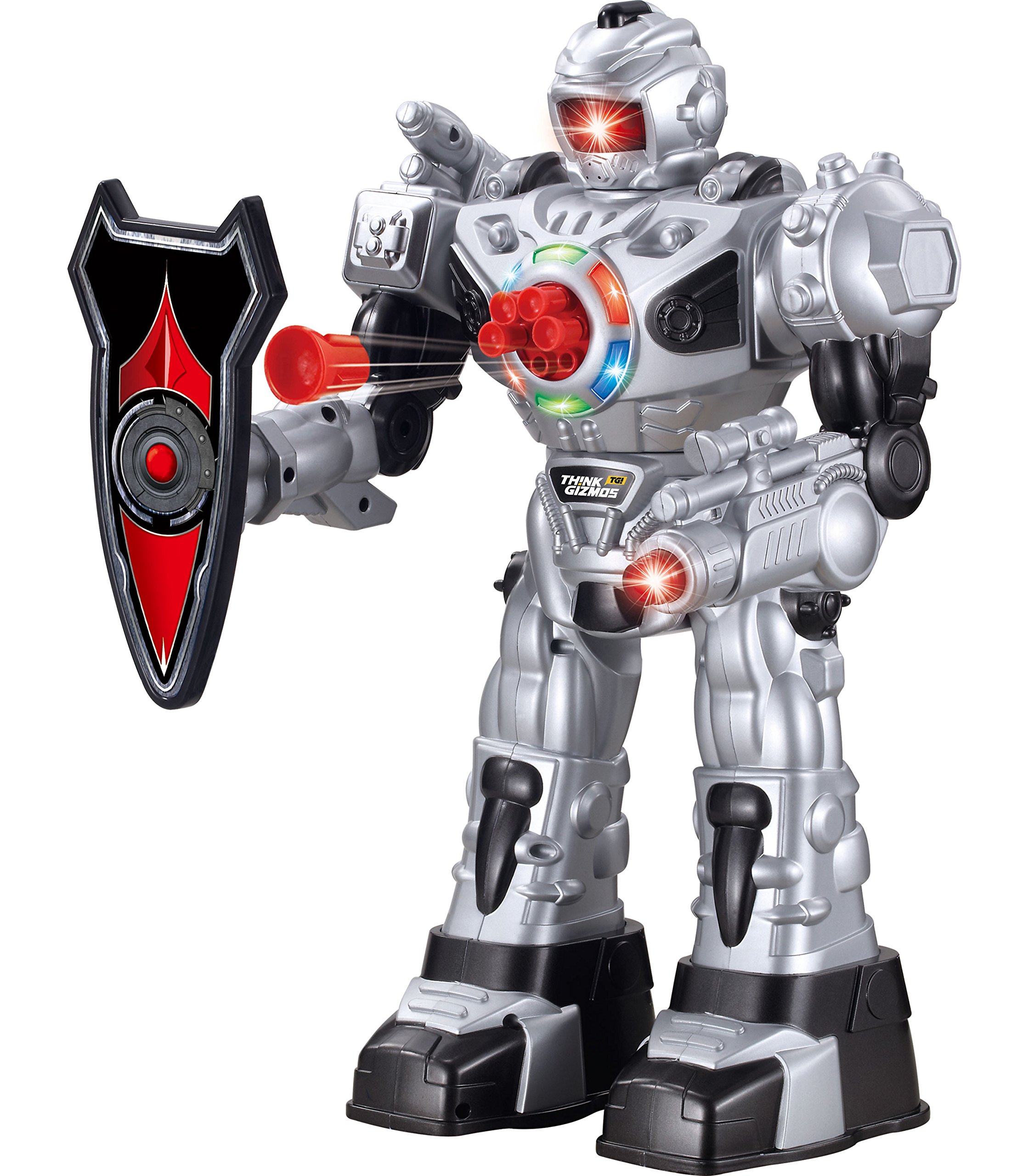
Imagine a future where robots that look like humans are sedately walking around factories and offices. It sounds like the beginning of either a fantastic blockbuster or the strangest techno-thriller. But how close is this future? The International Federation of Robotics (IFR) decided not to guess on coffee grounds, but to study who, where and how is preparing for the coming of humanoids.
It turned out that globally the world was divided into several distinct camps. And their approaches to the question "to be or not to be humanoid robots" are radically different.
Camp 1: Techno-optimists from Wall Street (USA)
The motto is "Money decides everything!"
America relies on private investment and market power. Everyone here believes that if an idea is cool, then there will be money for it. And they are! Startups like Figure and Agility Robotics are raising hundreds of millions of dollars, promising a revolution. So far, humanoids in the United States are expensive and impressive demo versions that are storming not production halls, but investors' wallets. The main question is: when will they leave the fashionable showrooms and enter the harsh reality?
Camp 2: Strategic Makers (China and South Korea)
The motto: "Is there a plan? There will be a robot!"
Here the approach is more systematic. Not just "invent", but "implement". Chinese companies are already testing their humanoid robots in real production facilities, such as electronics factories. The Chinese authorities have designated humanoids as a national priority. South Korea, with its giants like Hyundai, is also betting on integration into existing industrial processes. Their goal is not to surprise the public, but to count effectiveness.
Camp 3: Cautious Traditionalists (Europe and Japan)
Motto: "Reliability first, then similarity"
In Europe and Japan, where the traditions of robotics are very strong, humanoids are treated with a fair degree of skepticism. Why invent a complex "human" when an industrial manipulator that has been proven over the years but is unlike us can do the job perfectly? Japanese companies, although they are pioneers in the creation of humanoid robots, are now more focused on niche solutions, for example, for the care of the elderly. The Europeans are waiting for the technology to become really mature and secure.
So who's right?
IFR's conclusion is simple: there is no universal approach. The future of humanoids does not depend on abstract "global trends", but on specific tasks and the economy of each country.
Do I need to replace people in logistics and assembly? Perhaps the Chinese approach will be correct.
Do you need to attract investments and excite the market? The American model is beyond competition.
Do you need to work in a sensitive environment near people? The care and precision of Japanese and European engineers will come in handy here.
One thing is for sure: the humanoid race has begun. And this is not a sprint, but a marathon, on the track of which each runner has his own strategy and his own sneakers. It is impossible to predict the final yet.


