


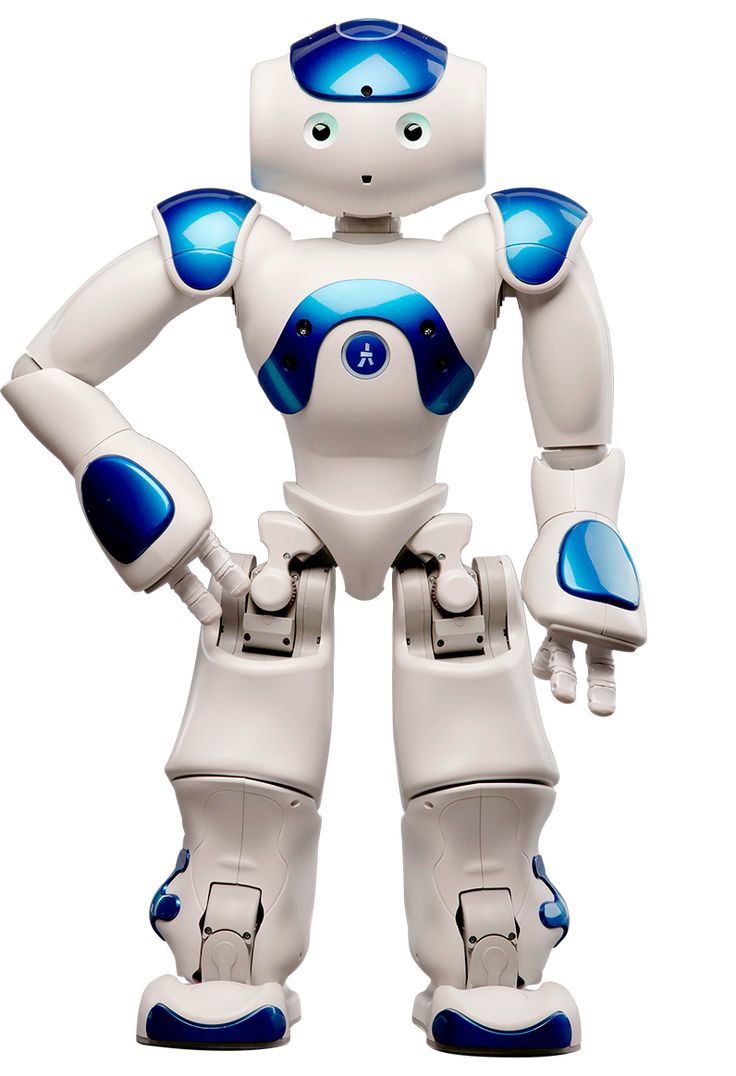

As companion robots proliferate across education, healthcare and homes, crafting socially adept machines relies on decoding complex linguistic cues. Should they speak the standard dialect or adopt the local vernacular? New research explores whether matching a robot's accent to a community's common speech patterns can enhance trust and acceptance.
The study from University of Potsdam analyzed reactions to a robot using either textbook German or the Berlin regional dialect. Surprisingly, preferences split along respondents' own familiarity with the dialect. Those fluent in the Berlin patois found the robot more trustworthy using it, while others favored standard speech.
The divergence suggests speech norms remain contentious linguistic terrain. Speaking a dialect signals in-group membership but is still stigmatized by some as less intelligent than "elevated" language. Machines may need to toggle strategically to avoid judgments. Context also plays a key role - small portable devices increased cognitive load and eroded respondents' positive bias toward standard speech.
As with human interaction, ratcheting robot rapport relies on interpreting social cues not just transmitting messages accurately. Nuanced norms around dialect and formality shape perceptions that primitive language processing overlooks. Right now, what computing power gains in processing speed and vocabulary, it lacks in grasp of connotative subtleties.
But incremental advances in contextual AI aim to close this "understanding gap." As algorithms grow more adroit at navigating charged sociolinguistic terrain, perhaps versatile bots toggling fluidly between dialects could maximize acceptance and build common ground. Getting there demands recognizing speech variance not as bug but feature reflecting diverse human experience.
Striking the proper register may prove pivotal in assimilating personable robots without alienating communities. If the goal is augmenting lives not displacing them, speech software must itself learn from lived language in all its messy dialects and slang. The linguistic lead humans take today sets expectations for harmonious relations tomorrow.


