

Source image: Alamy
The year 2025 has become a mirror for robotics, reflecting not only the brilliance of technology, but also all its cracks. If in previous years the results were summed up with enthusiastic enthusiasm, now the sobering reality sets the tone. A year has passed under the giant shadow of humanoid robots, whose promises have overshadowed everything else, making you wonder: what will be left if this HYPE does not come true? Instead of unbridled optimism, there is a balance between faith in progress and healthy skepticism, between robots that are changing the world today and those whose tomorrow is still in question.
1. Humanoid fever: the diagnosis is "difficult"
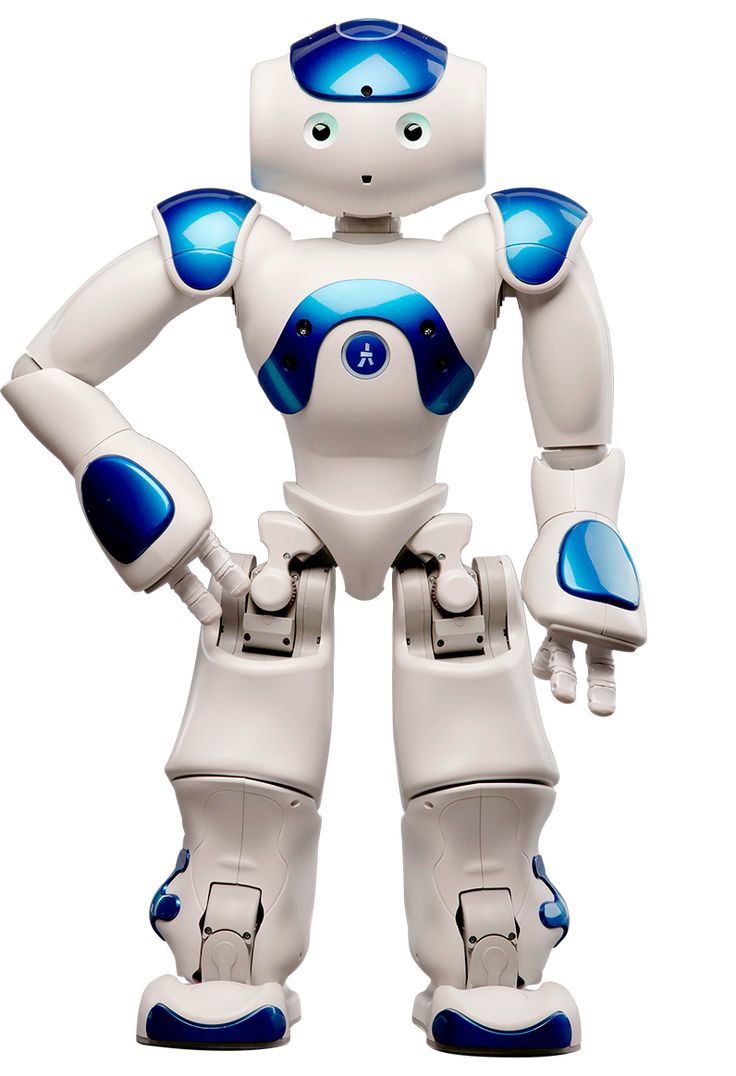
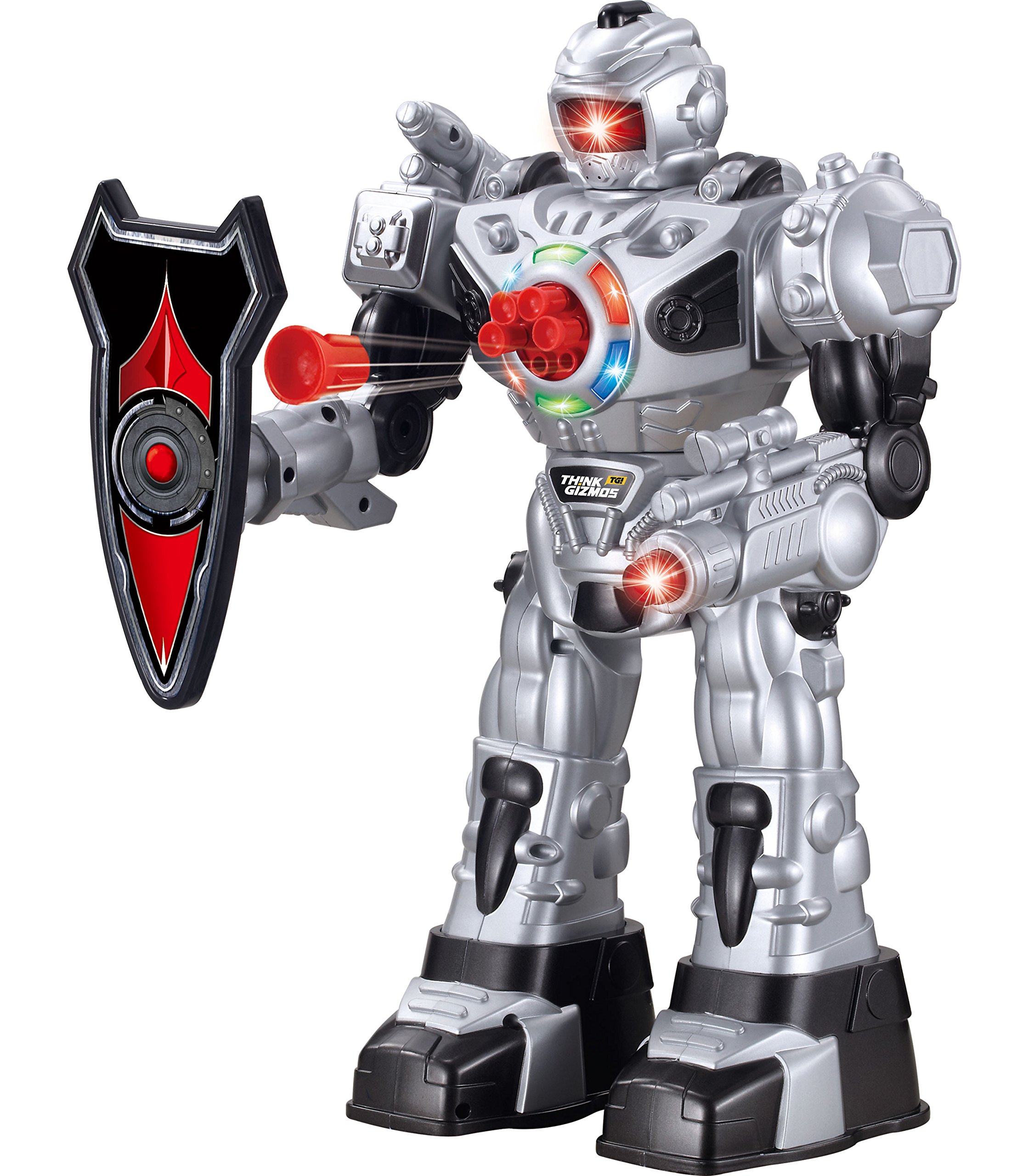
Humanoid robots turned out to be more than just complex — they turned out to be complex in an unpredictably multitude of aspects. If engineers have learned to cope with mechanical gait and balance, then a whole layer of fundamental problems — from tactile interaction with fragile objects to situational decision—making in a chaotic human environment - does not have clear solutions today. Despite this, companies continue to attract astronomical investments, often simply brushing aside inconvenient questions. This has led to the formation of a kind of "competence bubble" where there is money, but there is no finished product for the real world. Market experts note that total investments in this segment in 2024-2025 exceeded $5 billion, but mass commercial implementation is not expected even in the five-year horizon. Skepticism, according to the IEEE Spectrum authors, will only increase. In this context, almost futuristic ideas about the future of such machines are beginning to sound.: as soon as they become sufficiently autonomous, the question of their "employment" will arise. So far, this is the realm of fiction, but the first platforms for distributing tasks between machines, by analogy with JOBTOROB.com They are already making themselves known, preparing for an era when the robot will need not just to turn on, but to find its job.
2. Cybersecurity: Waking up from Hibernation
If humanoid robots are the future, then the story of the vulnerabilities in Unitree robots has shown how dangerous this future can be without proper protection. The Chinese manufacturer has become an unwitting pioneer in the field of stress testing: His robots turned out to be affordable and widespread enough for independent researchers to conduct a full-fledged security audit. The results shocked only those who were not familiar with the topic: critical vulnerabilities were discovered that allowed them to gain full control over entire fleets of devices. This transforms the robot from an assistant into a powerful tool for espionage, data theft, or even cyber attacks. As of the end of 2025, not all of the holes discovered have been closed. This case has become a loud signal for the entire industry, forcing us to think about safety at the design stage, rather than after the fact. Experts like Victor Mayoral-Wilches, whose work on the security of humanoid robots has also entered the top IEEE Spectrum, emphasize that robots connected to the network are new and very vulnerable entry points into corporate and home systems, and this risk can no longer be ignored.
3. Amazon Robotics: Quiet efficiency against loud hype
Against the background of the noise around humanoid androids, Amazon Robotics is demonstrating an ideology that can be called the "silent robotic revolution." Their approach is devoid of romance: robots are created for specific, repetitive tasks in a strictly structured environment. The story of how Vulcan robots began to stack goods in warehouses faster than humans is not about creating artificial intelligence, but about incredible engineering optimization and algorithmic clarity. Amazon does not play into long—term futurological forecasts - they solve short-term business problems of a gigantic scale. And, as practice shows, it is precisely this pragmatic approach that brings real, measurable profits and increased efficiency here and now. According to some estimates, the introduction of these systems has allowed Amazon to reduce order processing time by 25%, demonstrating that the magic of robotics often lies not in anthropomorphism, but in impeccable logistics.
4. Atlas and Big Behavioral Models: Step by step to work
Progress, however, does not stand still, and it is Boston Dynamics, together with the Toyota Research Institute, that show how it is possible to move forward in the field of humanoid machines without building castles in the air. Their joint work on Large Behavior Models is the next logical step in the evolution of robots. If Atlas used to amaze with somersaults and running through the park, now we are talking about endowing it with the ability to understand and perform complex, multi-part tasks at the level of abstractions: "tidy up the table", "assemble tools". This is a step from pre-programmed tricks to versatility, albeit far from human. This work serves as an important reminder: the path to practical humanoid robots lies not through jumping over a precipice, but through painstaking bridge construction — algorithmic, hardware, and behavioral.
5. iRobot: the lesson that was not learned
The bankruptcy of iRobot at the end of 2025 was the tragic epilogue to one of the most iconic stories in consumer robotics. As noted by the company's co-founder Colin Engle, it was a "significant" event, the final chord of which was the blocking of Amazon's takeover by regulators in 2024. The company, which created the market for household robot vacuum cleaners and sold over 50 million Roombas, could not resist the double pressure: on the one hand, aggressive and generously subsidized Chinese competitors like Roborock and Ecovacs, on the other, tough regulatory barriers that deprived it of a chance of salvation. This story has gone far beyond the corporate collapse, becoming a textbook example of how a technology company can become a bargaining chip in a big geopolitical and regulatory game. This is a stark warning to the entire startup community about the importance of not only technology, but also strategic positioning in a global context.
6. Robots on the farm: where automation is already working today
Perhaps the most inspiring and practical story of the year unfolded far from the glowing screens of Silicon Valley — on dairy farms. Autonomous robots for milking, feeding and cleaning have become not just a tool, but a survival factor for small family farms. They radically change the work of farmers, freeing them from grueling routine schedules, and — importantly — improve the quality of life of the cows themselves, allowing them to be milked on an individual schedule. This is an ideal example of "quiet" robotics, which does not promise a fantastic future, but solves specific problems here and now, benefiting all participants in the process. This industry is showing double-digit growth rates around the world, proving that sometimes the real robot revolution does not take place in laboratories, but in cowsheds.
The outcome of 2025 is a balance. A balance between hype and reality, between risk and safety, between futuristic ambitions and down-to-earth efficiency. Robotics is maturing, and its main lesson for today is that real change requires not only bold ideas, but also pragmatic, responsible work on their implementation.


