





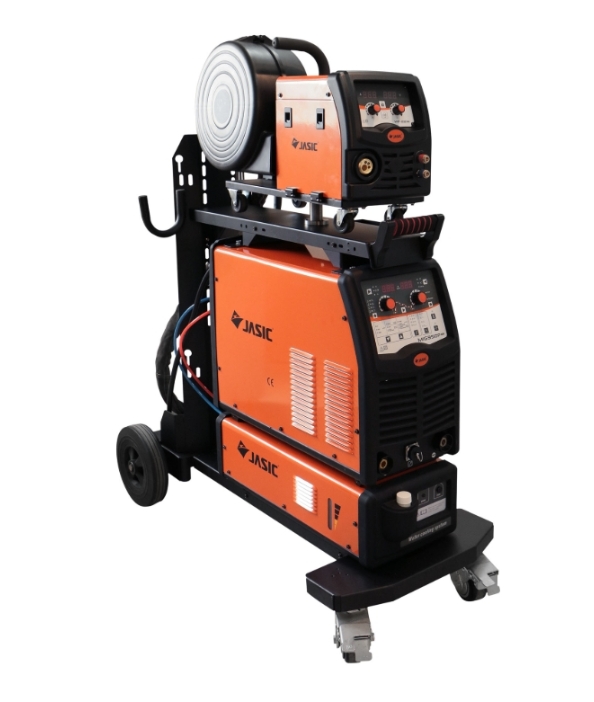
**Terabase is an example of a U.S. startup competing with China’s energy sector. Source: Terabase Energy Inc.
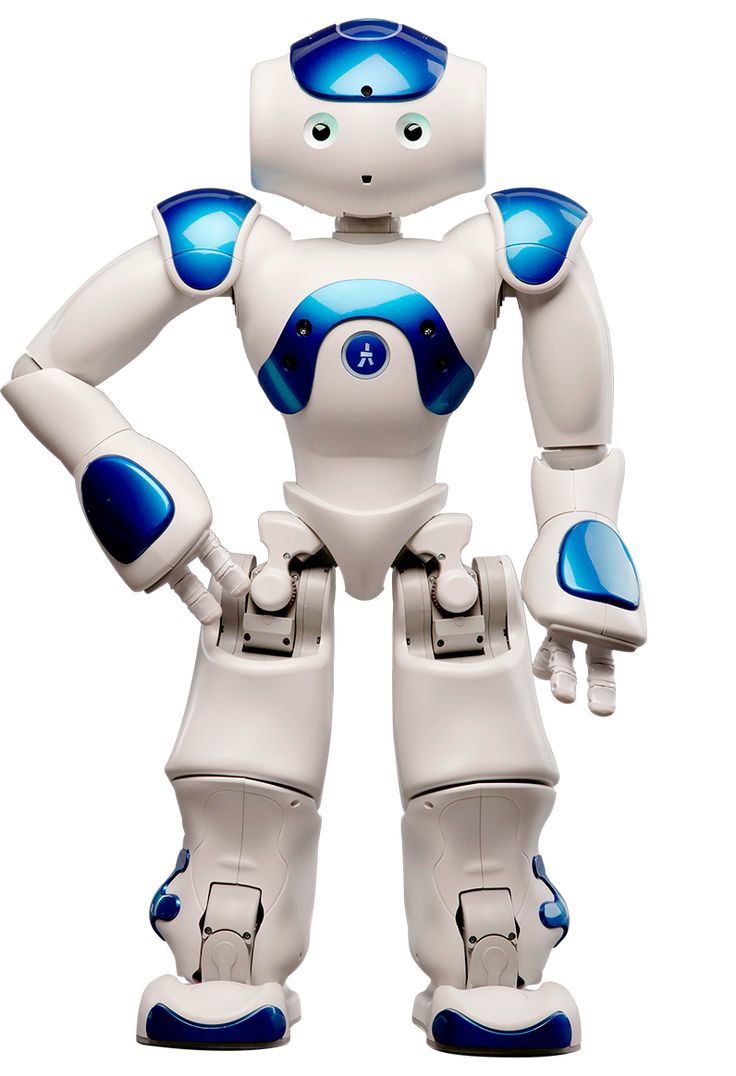
While American companies are arguing about AI regulation, China is quietly and methodically capturing the global robotics market. According to the latest data, China installs more industrial robots than all other countries in the world combined. And this is not an accident, but the result of a well-thought-out state strategy, which the author of the article suggests, if not to copy, then at least to comprehend.
The Chinese approach can be described as "robotization at any cost." Government subsidies, tax incentives, and research support have all created ideal conditions for growth. Local robot manufacturers like Siasun and ESTUN are successfully crowding out Western giants even in their traditional markets. Although, to be honest, when your main competitor receives a 50% discount on production from the state, it is difficult to remain competitive.
The Chinese strategy of "taking over from below" is particularly admired. First, they learned how to make cheap and simple robots for their own factories, and now they are gradually moving on to more complex models. It's like a tactic from the judo arsenal — using the opponent's weight against himself. Western companies have been improving complex and expensive systems for years, while the Chinese have simply made affordable analogues and captured the mass market.
Interestingly, the Chinese authorities consider robotics not just as a branch of the economy, but as a tool for solving demographic problems. Population decline? It doesn't matter — we'll replace people with robots! While Western politicians are arguing about the ethics of AI, China is simply introducing it everywhere.
The author of the article suggests that the United States reconsider its approach to robotics. Instead of trying to catch up with China in the subsidy race, it's worth betting on the traditional American advantages of innovation and flexibility. Although, if you look at the current situation, so far these "advantages" are losing out to the simple mathematics of Chinese government subsidies.
As noted on jobtorob.com Perhaps, instead of being afraid of robotics, it's worth learning how to create value for them — after all, someone has to design, program and maintain these armies of machines. Although, given the Chinese pace, they will soon take on these tasks.
The most fun aspect of this race is the difference in approaches. American companies are demanding that the government "not interfere," Chinese companies are receiving direct support, and European companies are trying to find a "third way" with maximum regulation. It seems that in the coming years we will witness an interesting experiment: which is more important for technological leadership — freedom of entrepreneurship or state planning.
However, the United States still has a chance. As history shows, it is often the outsiders who make the real breakthroughs. The main thing is to stop looking at robotics as a threat to jobs and start seeing it as an opportunity. Although, given the current political situation, it sounds almost utopian.


