


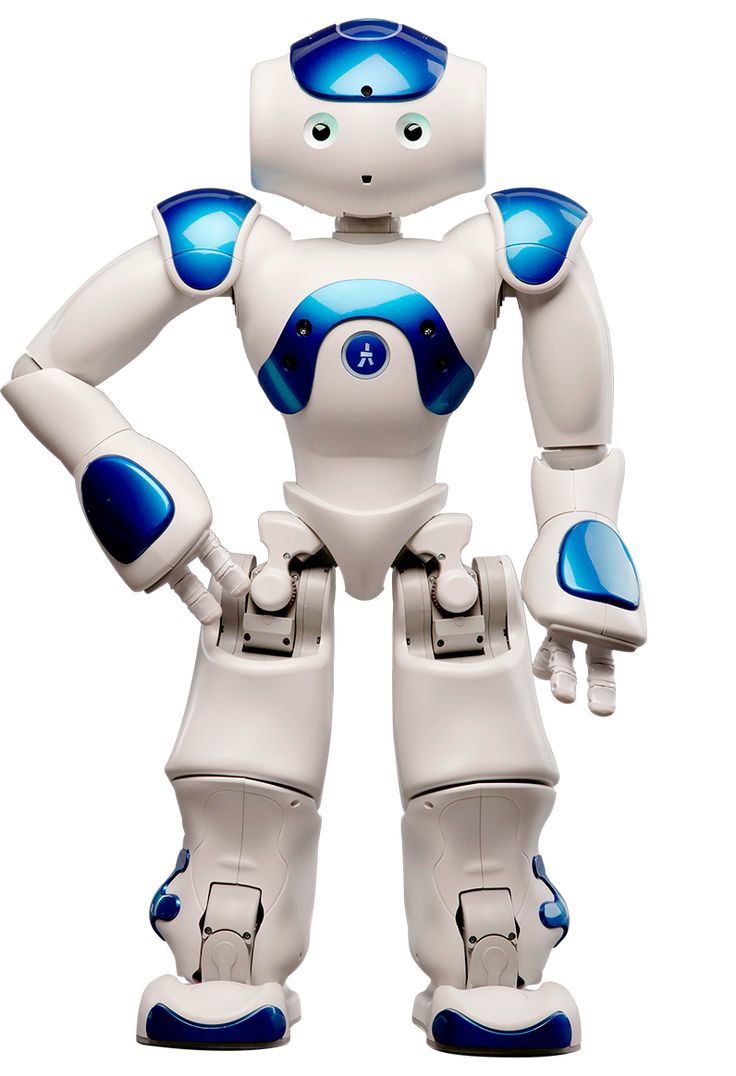

China has unveiled an ambitious plan to become a world leader in humanoid robotics by 2027. The initiative, outlined in a recent notice from the Ministry of Industry and Information Technology (MIIT), aims to drive mass production of humanlike robots for widespread use in industries from healthcare to agriculture.
The program sets milestones for boosting China's robotics capabilities on an accelerated timeline. By 2025, the country intends to establish a strong supply chain and technical foundations to enable large-scale humanoid manufacturing. This includes innovating solutions for key components like robotic limbs and AI "brains."
Within two years after that, MIIT expects China to achieve global competitiveness and become a frontrunner shaping international standards around humanoid technologies.
The push comes as China seeks to revitalize its economy and gain more self-sufficiency in the face of external pressures like trade limits and an aging workforce. The government believes humanoid robots can significantly automate tasks and drive growth in manufacturing and services.
Initiatives are already underway across public sectors like firefighting and policing. The notice calls for expanding robotic applications in logistics, elderly care, retail, agriculture and more. Advanced mobility and dexterity will enable humanoids to take on a wide range of assistive and dangerous jobs.
MIIT is encouraging industry collaboration to solve challenges like fine motor skills and balance. It urges focusing R&D on robot "brains" leveraging the latest artificial intelligence. Testing facilities and training programs will also accelerate development.
However, some experts caution that potential pitfalls remain around public acceptance. The uncanny resemblance of humanoid robots tends to evoke unease - known as the "uncanny valley" effect. China acknowledges the need for thoughtful policies and standards to smooth adoption.
By channeling nationwide expertise and resources, China aims to overcome these hurdles and realize its vision of ubiquitous, trustworthy humanoids powering diverse sectors of society and the economy. If achieved, the transformation could reshape industries worldwide.


