

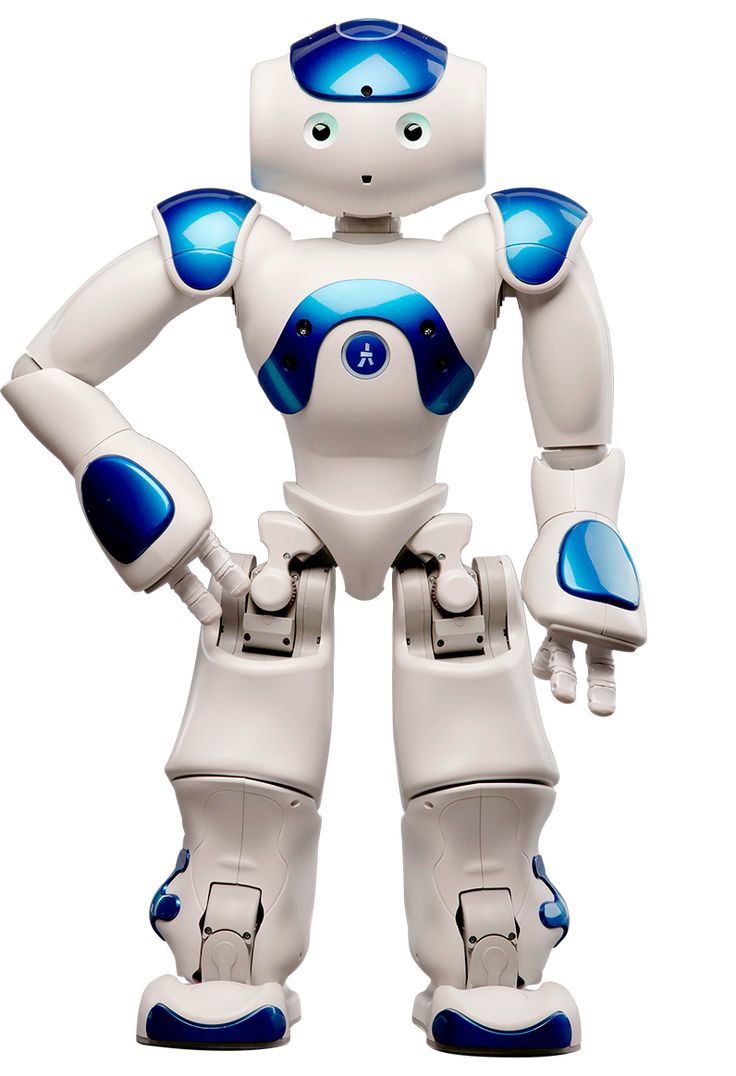
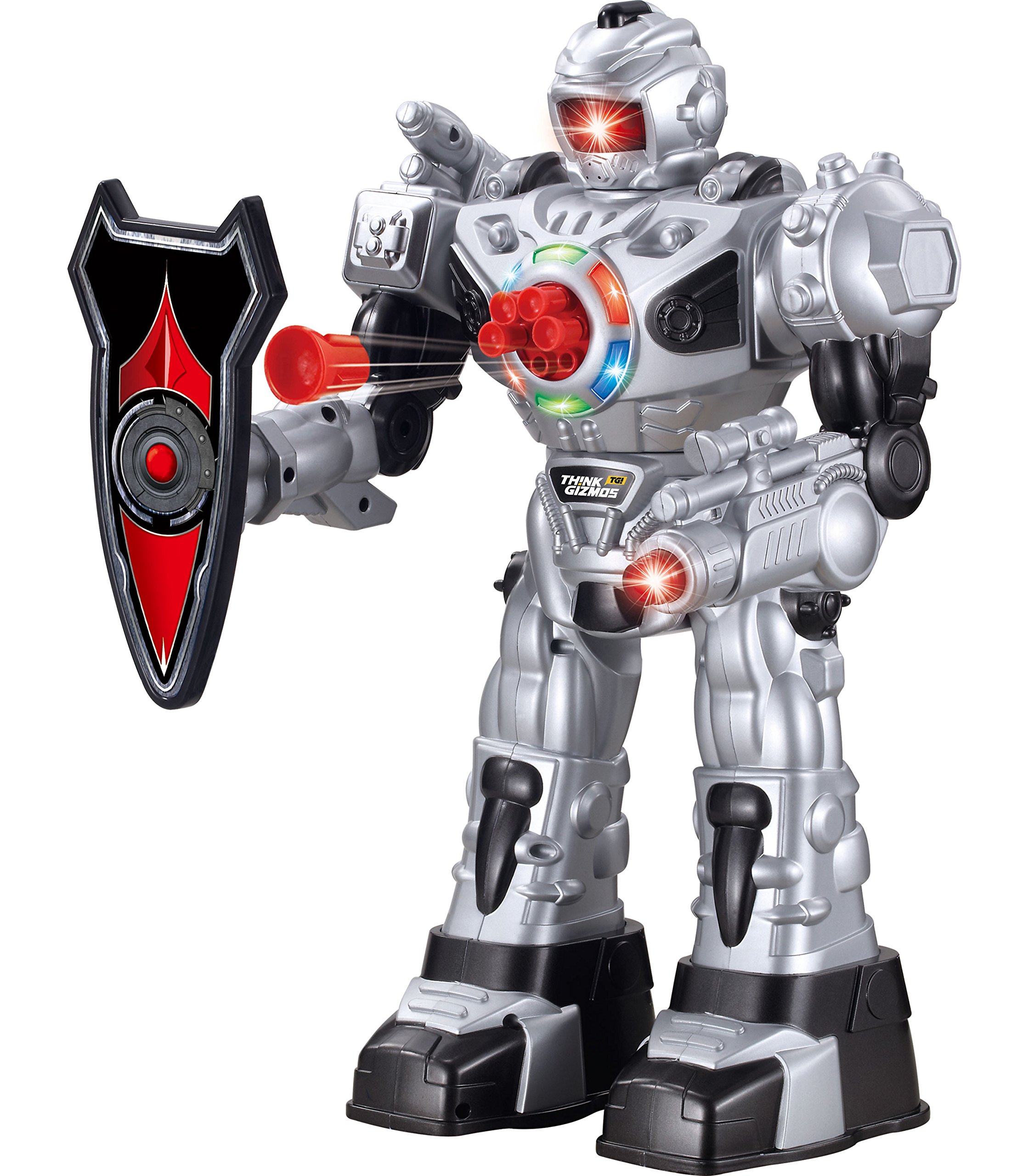
Move over, sci-fi fantasies—China is turbocharging the robot revolution with RoboBrain 2.0, a cutting-edge AI model designed to make humanoid robots smarter, faster, and more capable than ever.
Developed by the Beijing Academy of Artificial Intelligence (BAAI), this open-source breakthrough promises to solve some of the biggest challenges in robotics—and could soon put ultra-advanced androids within reach.
Why RoboBrain 2.0 Is a Game-Changer
Imagine a robot that doesn’t just follow pre-programmed steps but thinks on its feet—literally. RoboBrain 2.0 supercharges two critical skills:
🧠 Spatial Intelligence – Robots can now judge distances, navigate cluttered spaces, and interact with objects more precisely.
📋 Task Planning – Complex actions (like assembling furniture or handling delicate items) get broken down into logical, manageable steps.
Compared to its predecessor, this upgrade delivers:
⚡ 17% faster processing
🎯 74% higher accuracy
That means robots could soon move from rigid, scripted machines to adaptable, problem-solving assistants.
China’s All-In Bet on Humanoid Robots
RoboBrain 2.0 isn’t just a lab experiment—it’s part of China’s aggressive push to dominate robotics. BAAI is already collaborating with 20+ major tech firms, and the government-backed Beijing Humanoid Robot Innovation Center is in the mix too.
One standout project? The Tien Kung robot, which recently completed a half-marathon in Beijing. With RoboBrain’s upgrades, future bots could tackle even more dynamic real-world challenges.
More Than Just Brains: The Wujie Ecosystem
RoboBrain 2.0 is part of BAAI’s Wujie series, a full-stack robotics toolkit that includes:
☁ RoboOS 2.0 – A cloud platform for deploying AI models
👁🗨 Emu3 – A multimodal system processing text, images, and video
Together, these tools could let developers build robots that see, learn, and reason—not just follow commands.
The Bigger Picture: A Global Robotics Race
China isn’t alone in chasing humanoid bots (think Tesla’s Optimus or Boston Dynamics’ Atlas), but with open-source models like RoboBrain, it’s inviting the world to innovate faster. At a recent BAAI conference, 100+ researchers and 200 industry leaders gathered to brainstorm the future—and with these advances, that future might arrive sooner than we think.
What’s Next? Smarter Robots, Sooner
Could RoboBrain 2.0 lead to household helper bots by 2030? Autonomous factory workers? The tech is accelerating—and China is pressing the gas.
One thing’s clear: The age of truly intelligent robots isn’t coming… it’s already here.


