




Summary from the analytical department: According to the decoded data from the Association for the Advancement of Automation (A3), 2025 was the year of a quiet but confident robotics counterattack in North America. After the recession in 2024, the robot market showed signs of systemic recovery: orders increased by 6.6% (to 36,766 units), and their total value jumped by 10.1% (to $2.25 billion). More importantly, growth has been steady for six consecutive quarters. This is not a sprint. It's a marathon.
CHAPTER 1: WHO'S DOMINANT? THE AUTOMOTIVE INDUSTRY IS GIVING WAY TO NEWCOMERS
The key trend of the year is the change of leader. For the first time, the non-automotive sector was the engine of demand. The main growth was provided by "general industries":
- Food industry and consumer goods
- Semiconductors and electronics
- Biotechnologies and pharmaceuticals
Analysis: This is a maturity signal. Robots have ceased to be the exclusive tool of the giants with conveyor belts. They are being adopted by companies for which flexibility, purity and accuracy are more critical than gigantic volumes. Automakers (OEMs) also increased their activity in the second half of the year, which may be a harbinger of a new wave of investments in 2026.
CHAPTER 2: THE TRIUMPH OF THE COBOTS — WHEN THE ROBOT STOPPED BEING A DANGEROUS BOX
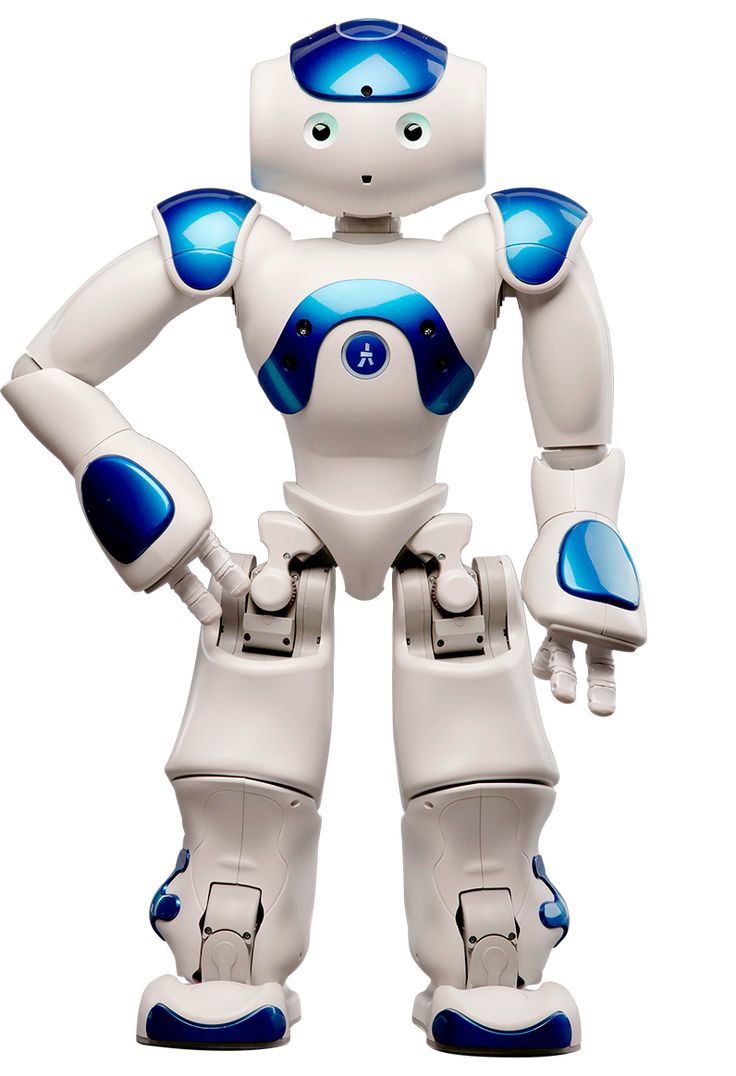
The brightest and most explosive segment is collaborative robots (cobots). Their share in the total number of orders in the fourth quarter reached a record 28.6%. For the whole year, 7,212 cobots worth $241 million were sold.
Why is this a revolution? Cobots are "robots without a cage." They can be quickly implemented next to a person without a large-scale restructuring of production. The growth of their popularity proves that business does not need total automation, but point-based, fast and safe robotization of routine operations. They are becoming a standard working tool, just like a computer once was.
CHAPTER 3: DIAGNOSIS — WHAT DISEASES ARE TREATED BY ROBOTS?
Growth is not an end in itself. It is a consequence of chronic problems that the business has finally begun to solve systematically. According to Alex Shikani, vice president of A3, companies see automation as a long-term solution to three key challenges.:
- The most acute shortage of labor.
- The reshoring program is the return of productions from abroad, where robots compensate for the difference in the cost of labor.
- Severe pressure on productivity in unstable conditions.
Robots are no longer an "option for the future." They become the critical infrastructure of the present, necessary for survival.
CHAPTER 4: FORECAST — WHAT'S NEXT? SYNTHESIS OF IRON AND MIND
A3 statistics are just the tip of the iceberg. The order numbers are about hardware. But the real battle of the future, as we have seen in previous articles, will be over "intelligence" — for the operating systems and frameworks that will bring these thousands of new robots to life.
Platforms such as KinetIQ from Humanoid will become more in demand, turning disparate robots into well-coordinated fleets.
- Legislative initiatives in the US Congress (the same two bills) will create an additional incentive for growth, protecting the market and stimulating local developments.
- Task management concepts like JOBTOROB.com, they can become the next step — "meta-orchestrators" for heterogeneous ecosystems.
Output: The year 2025 has shown that robotics in North America has not just recovered. It has been reborn, becoming more diverse, flexible and strategically important. This is no longer a story about several giant factories. This is a story about how tens of thousands of enterprises of different sizes make a quiet but irreversible choice in favor of a future where man and machine work shoulder to shoulder — literally and figuratively.


