





The End of the Assembly Line Era: Why Traditional Factories Are Obsolete
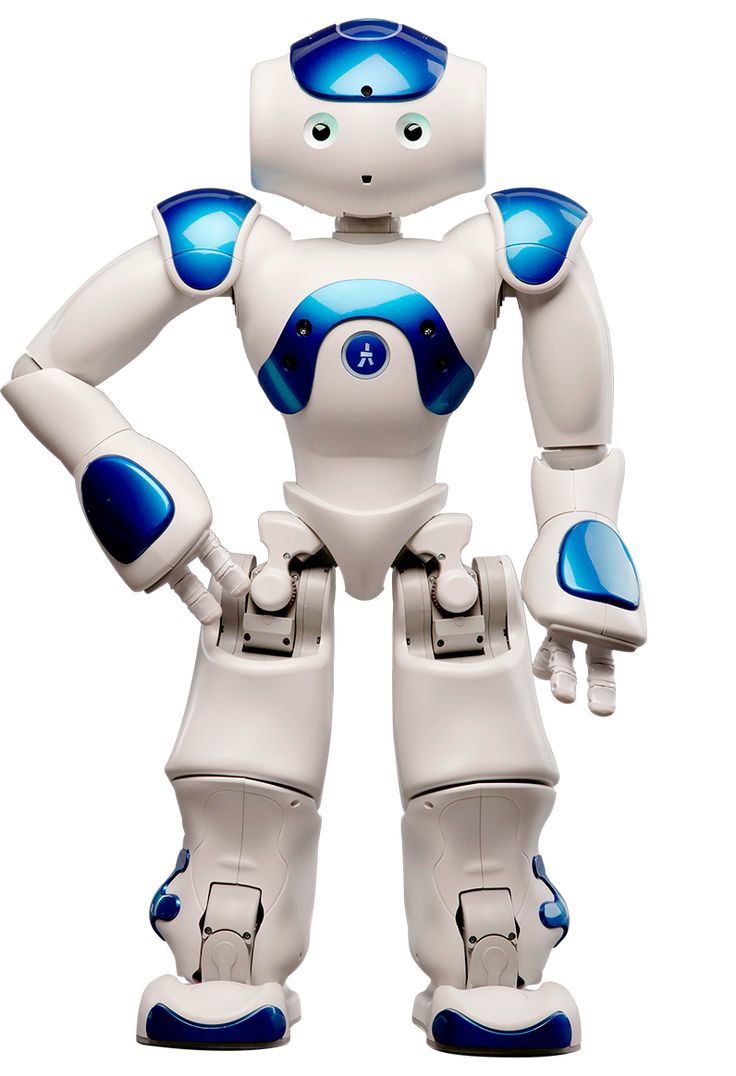
More than 110 years after Henry Ford's invention of the assembly line, industry stands on the brink of a new revolution. Swarm robotics technology promises to completely transform manufacturing principles, replacing rigid production lines with flexible collectives of autonomous machines.
How Swarm Manufacturing Works
Unlike traditional industrial robots confined to fixed positions, swarm systems have three key features:
1. Decentralized Control – No central "brain"; each robot makes decisions independently
2. Flexibility – The system instantly adapts to changes
3. Scalability – Easy to add or remove robots
Inspired by Nature: Ant colonies, where each member acts autonomously but collectively achieves complex goals.
Breakthrough Applications
1. Next-Gen Automotive Manufacturing
BMW is testing swarms of 50+ robots for body assembly. Results:
• 30% faster than traditional lines
• Instant switching between models
• Near zero downtime
2. Aerospace Industry
Airbus uses drone swarms for:
• Large component installation
• Automated weld quality inspection
• Warehouse logistics optimization
Advantages Over Traditional Systems
1. Economic Efficiency:
o 40-60% lower capital costs
o Reduced factory floor space
2. Technological Benefits:
o Self-healing when robots fail
o Operation in hazardous environments
3. Sustainability:
o 35% less energy consumption
o Reduced production waste
Challenges and Risks
Despite its promise, the technology faces significant hurdles:
Technical Difficulties:
• Micron-level precision requirements
• Synchronizing hundreds of robots
Social Impact:
• Mass job displacement risks
• Workforce retraining needs
Cybersecurity:
• Swarm system hacking vulnerabilities
• Intellectual property protection issues
The Future of Swarm Manufacturing
McKinsey predicts that by 2030:
• 25% of industrial plants will adopt swarm elements
• The swarm robotics market will reach $12 billion
• First fully autonomous factories will emerge
The Key Paradox: The more advanced robots become, the more crucial human creativity grows. The future may belong not to pure automation, but to a symbiosis of machine efficiency and human intuition.
Conclusion: Revolution or Evolution?
Swarm robotics isn't just new technology—it's a fundamentally different manufacturing philosophy. It promises:
✅ Unprecedented flexibility
✅ Unmatched efficiency
✅ Radical cost reduction
But is society ready for such changes? The answer will define industry for decades to come.


